Groundbreaking, Collaborative Research
Building bonds for discovery
We treat science like a team sport.
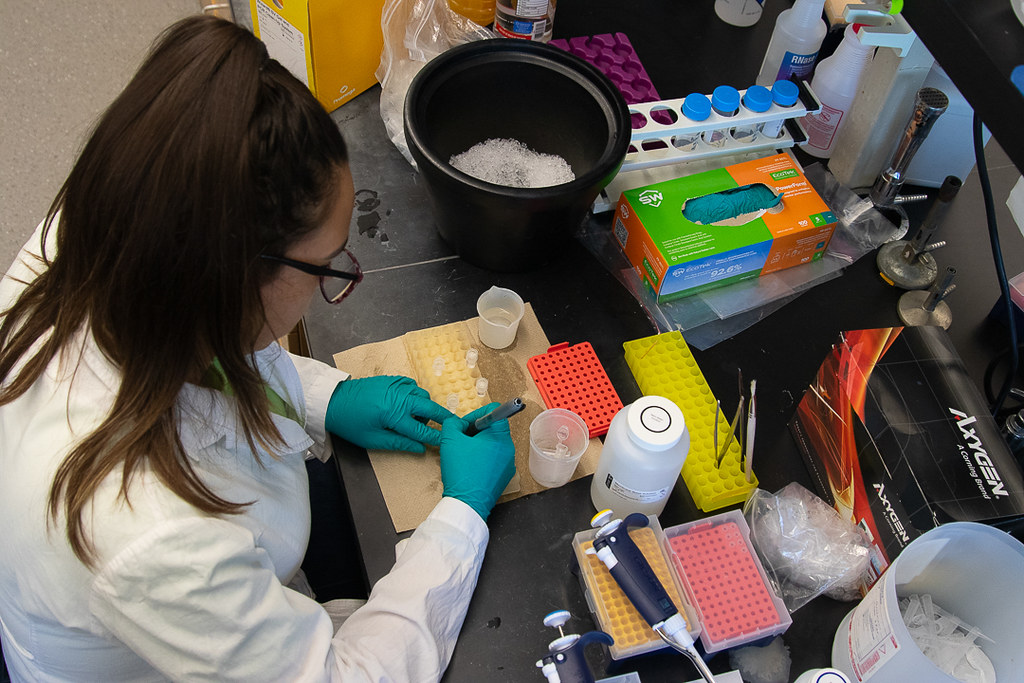
Discoveries that Make an Impact
Our research aims to saves lives, save money and make everyday life better for Missourians and people in all corners of the world.
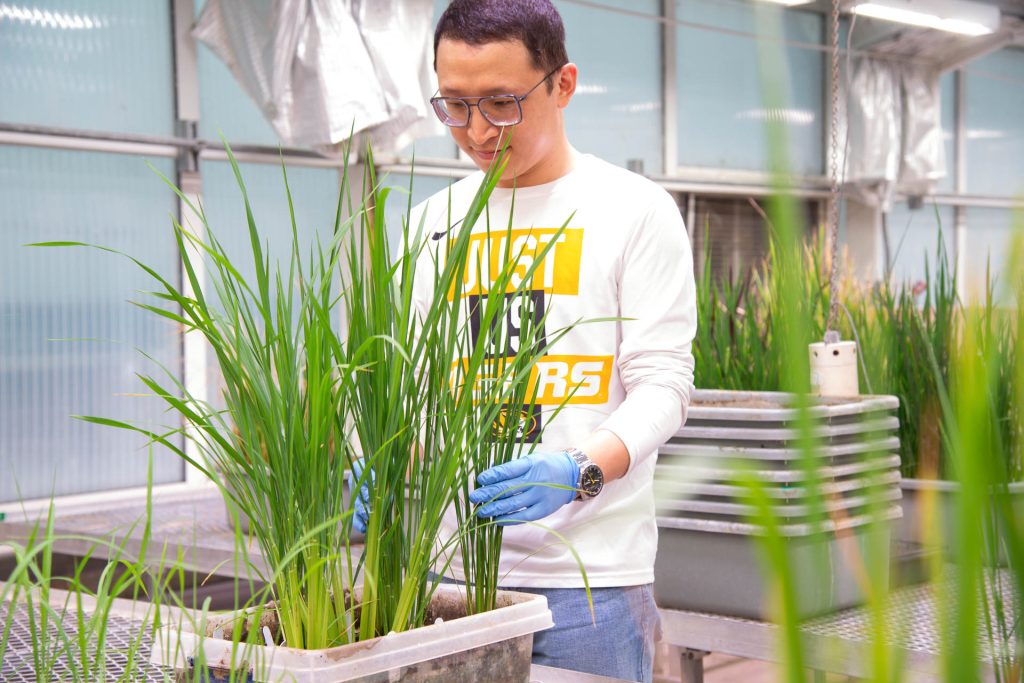
Collaborative Research
The best answers come from working together. Our culture enables principal investigator labs to leverage expertise from their colleagues to develop discoveries that matter.
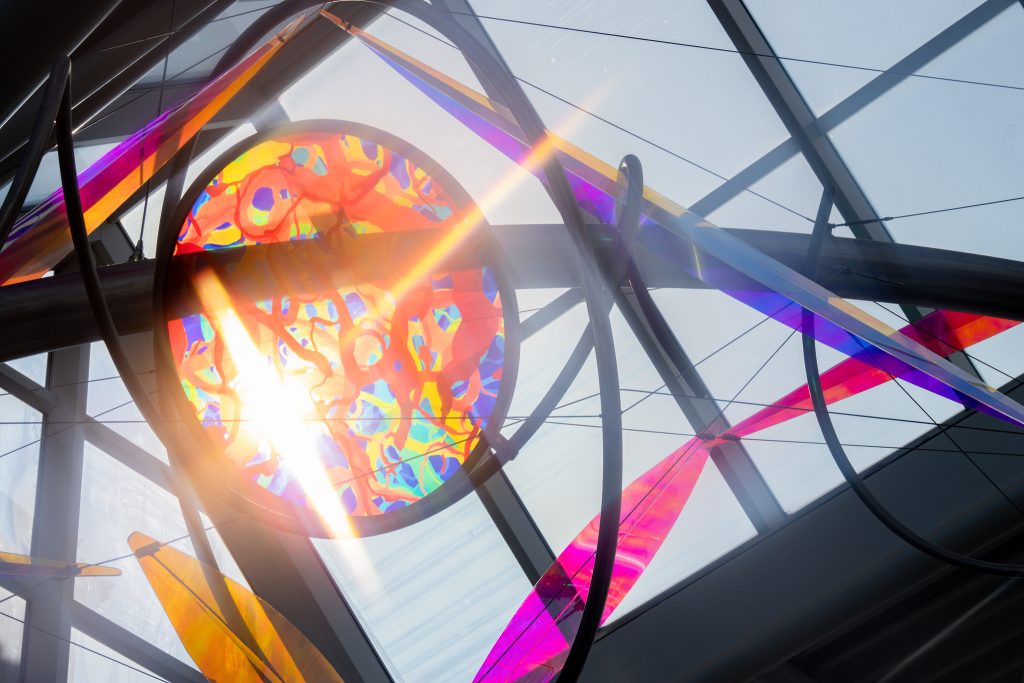
State-of-the-Art Facilities
Our building is key to our collaborative opportunities, and our facilities provide unmatched resources for interdisciplinary research.
We’re building a better world.
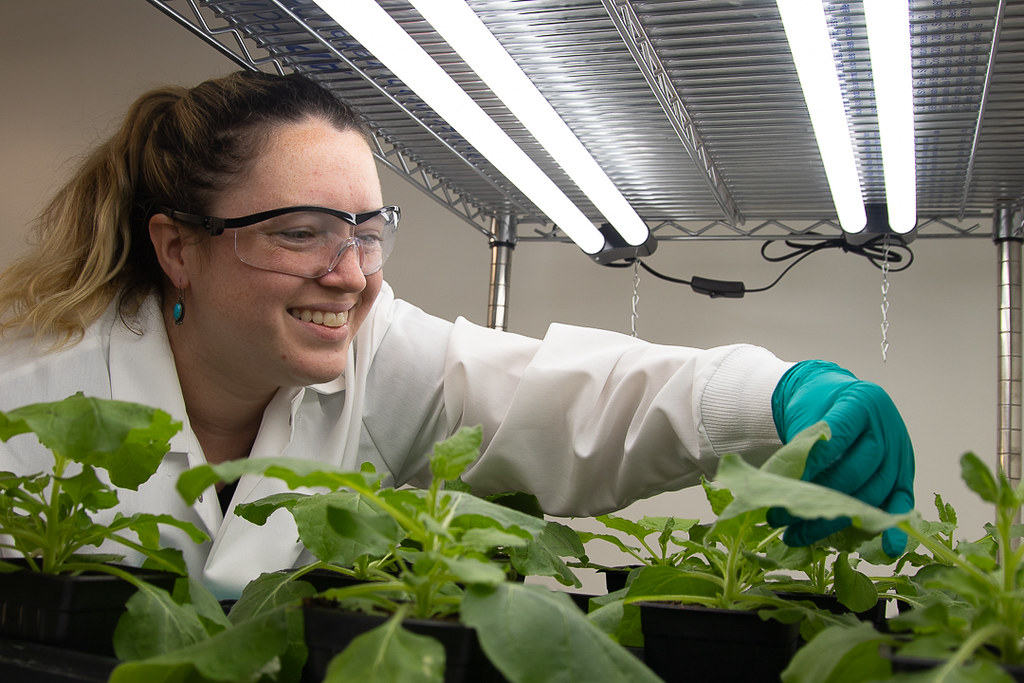
Find a researcher
Our scientists hail from many academic backgrounds and are supported by dedicated staff and students.
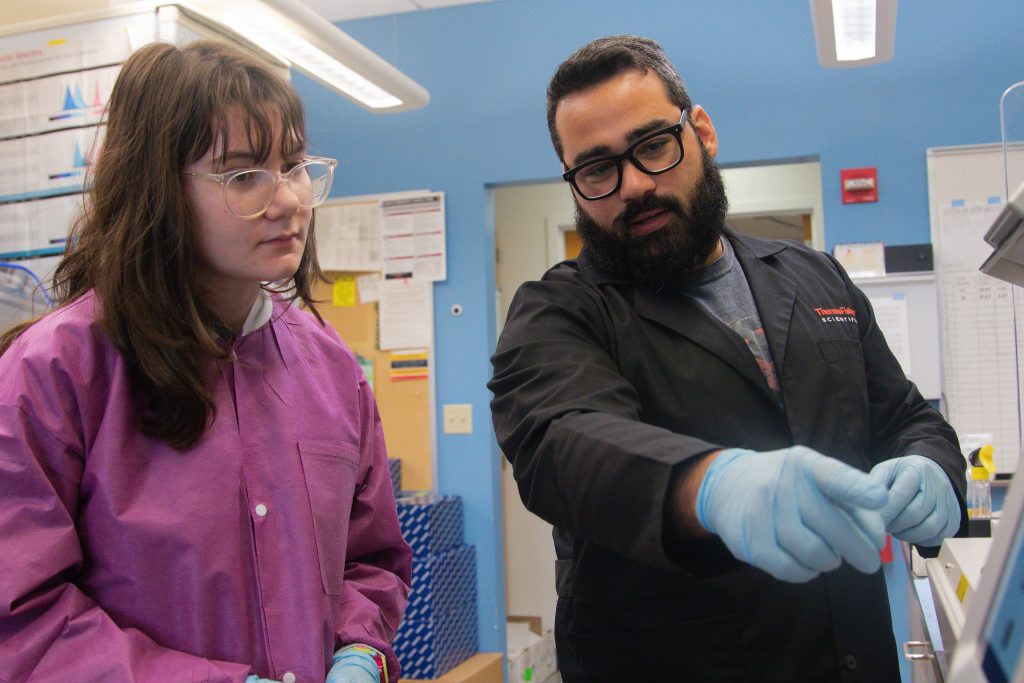
Do your best research here
Join us at Mizzou, where you’ll have terrific labs with state-of-the-art equipment. You’ll be fully supported by university administration. Bring your research team to help you excel.
Testimonial
We're making our mark.
Bennett's Experience“I got great technical skills that are very relevant in all aspects of cancer research, immunology and microbiology. These skills prepare me well to be competitive in a difficult PhD program such as translational biology.”