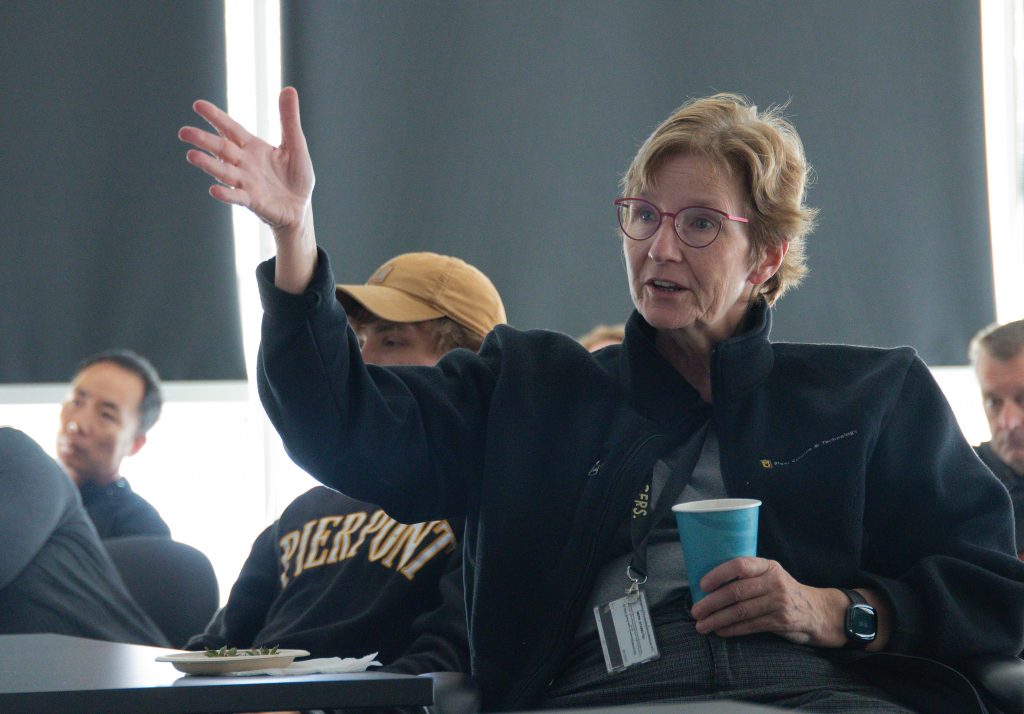
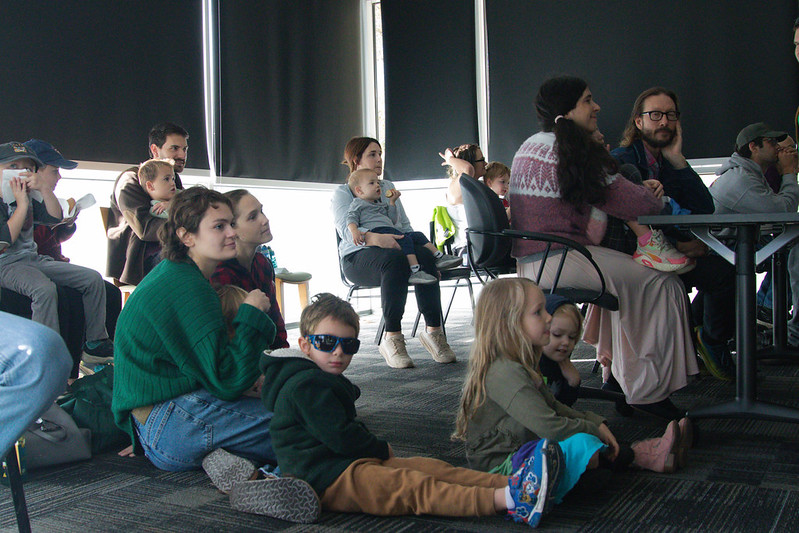
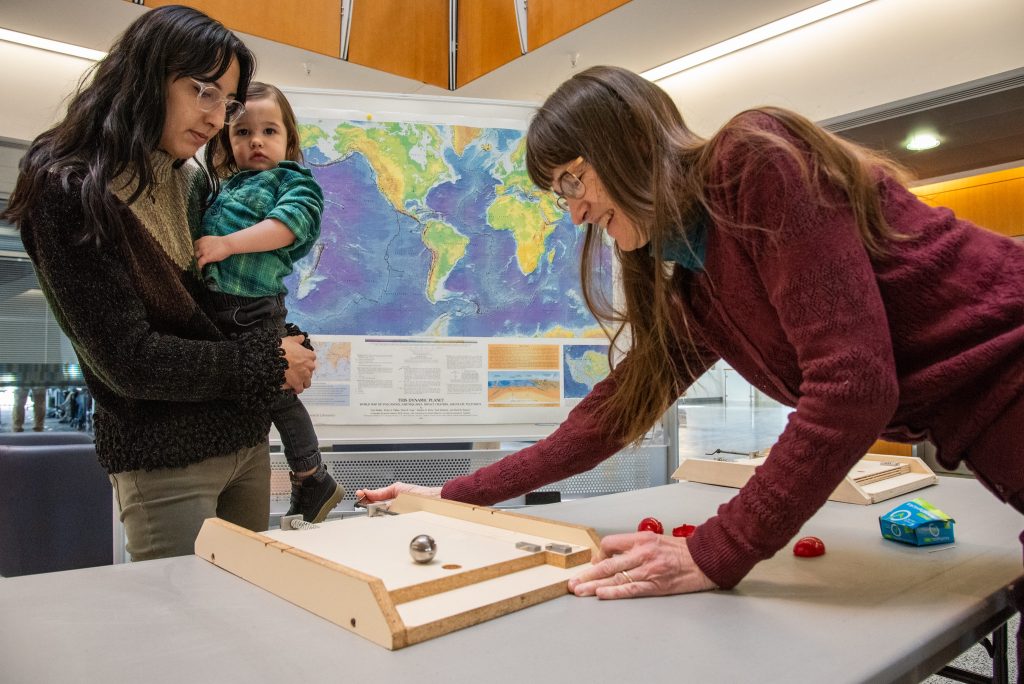
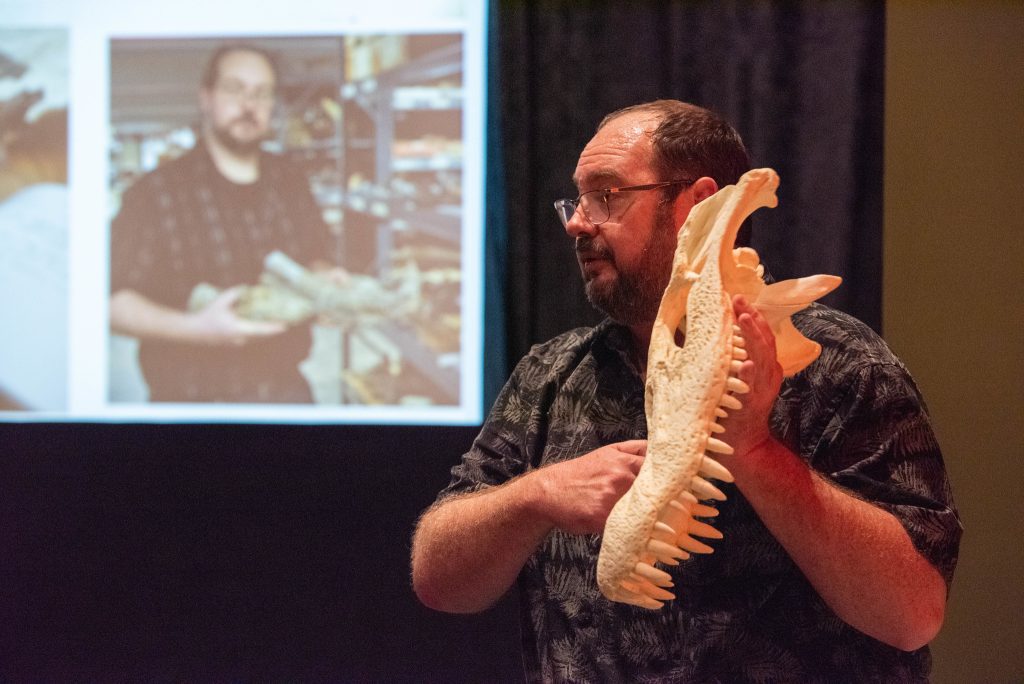
Mizzou’s popular Saturday Morning Science events aren’t your typical science lectures. Expect to be entertained, see demonstrations, learn a lot – and best of all – you’ll want to come back for more.
Saturday Morning Science is free and open to the public. No science background is required, and all ages are welcome.
All events are held on campus at 10 a.m. in Room 171, Bond Life Sciences Center.
Fall 2026 Semester Speakers
September 12th
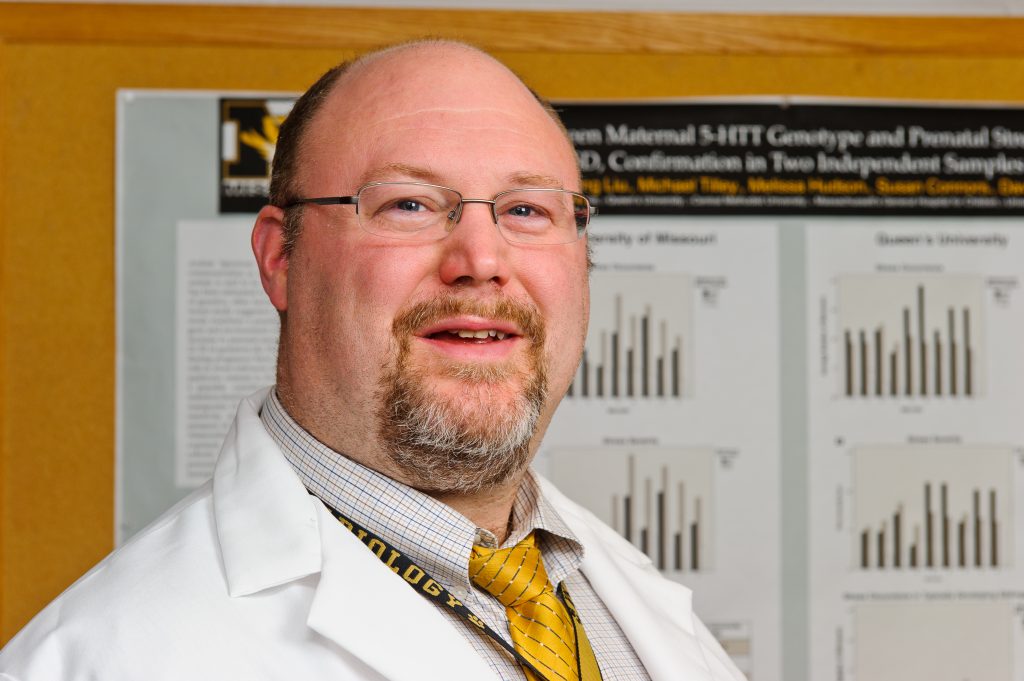
Nonpharmacological Approaches to Decrease Risk of Cognitive Decline, Including a Human Clinical Trial of Elderberry Juice
Dr. Beversdorf will briefly review the latest advances in Alzheimer’s, then review measures that have shown promise of decreasing risk of developing dementia. He will then close with a study he lad looking at the potential of elderberry juice for this purpose
Dr. David Beversdorf
Professor of Radiology, Neurology and Psychology
MU College of Arts and Science; Department of Psychiatry & Neurology, Behavioral Neurology & Neuropsychiatry, Neurology School of Medicine University of Missouri
About the Speaker
David Beversdorf is a practicing neurologist who specializes in Neurology and Cognitive and Behavioral Neurology, and is Professor of Neurology, Radiology, and Psychological Sciences, and is the William and Nancy Thompson Endowed Chair in Radiology at the University of Missouri. In his memory disorders clinic, he treats patients with disorders such as Alzheimer’s disease. Dr. Beversdorf aims to understand approaches that will decrease the risk of developing the disease. He performs neuropsychological testing, which is an in-depth assessment of skills and abilities linked to brain function. Dr. Beversdorf also sees children and adult patients at the Thompson Center for Autism and Neurodevelopmental Disorders, and is highly active in this research area as well.
September 26th
Let’s FEAST!
Food connects us all, but not everyone has access to the nutrition they need, and too much good food goes to waste. Have you ever wondered what happens to food that doesn’t make it to our plate?
Join Dr. Kiruba Krishnaswamy from the University of Missouri’s FEAST Lab to explore how science and engineering can give new life to overlooked foods and food byproducts. From turning food loss into valuable ingredients to helping deliver essential vitamins and minerals through the foods we eat, you’ll discover how innovative food technologies can support more sustainable future. Through examples from around the world, learn how a simple idea can make a big difference in the fight against hidden hunger and malnutrition.
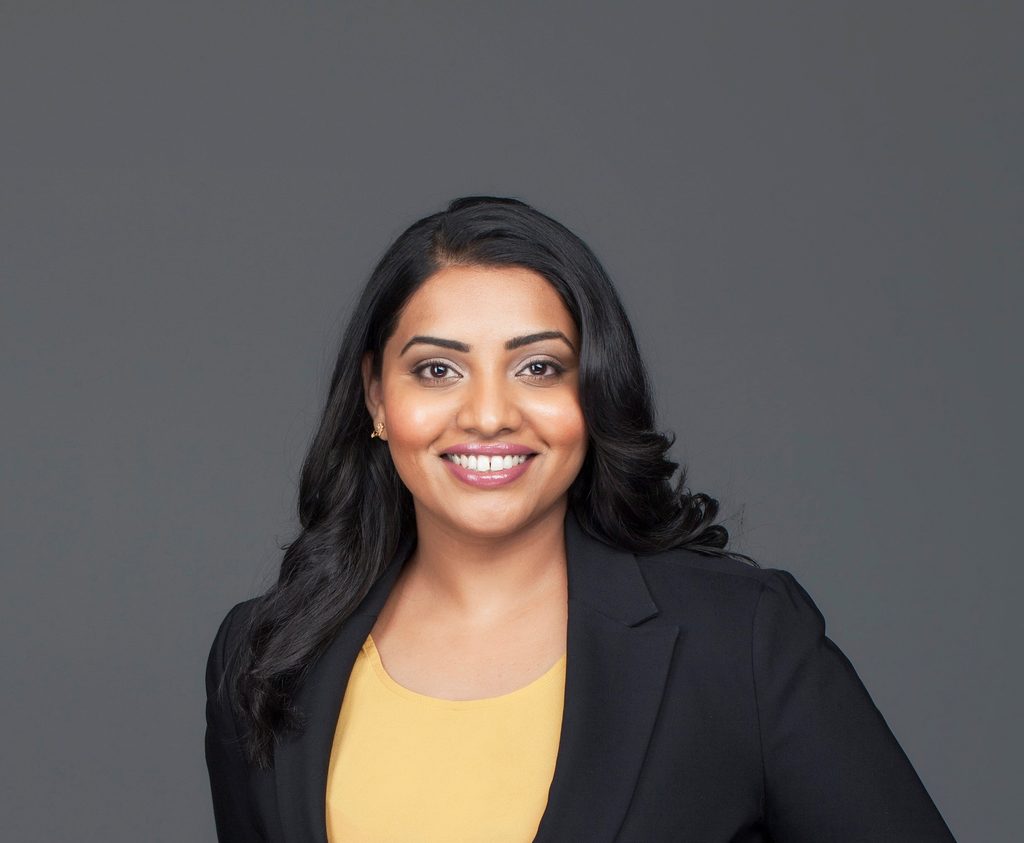
Dr. Kiruba Krishnaswamy
Associate Professor of Division of Food, Nutrition and Exercise Sciences in the College of Agriculture, Food and Natural Resources; Chemical and Biomedical Engineering MU College of Engineering
About the Speaker
Kiruba Krishnaswamy is an Associate Professor at the University of Missouri, with joint appointments in the Department of Chemical and Biomedical Engineering and the Division of Food, Nutrition, and Exercise Sciences. Her research program, Food Engineering and Sustainable Technologies
(FEAST: www.feastlabs.org) integrates convergence sciences with engineering principles to address the interconnected challenges of food and nutrition security. Krishnaswamy’s FEAST team develops innovative food technologies and delivery systems geared toward maternal and child health. Her work has been recognized with multiple awards, including the Canadian Commonwealth Scholarship, NSF CAREER award. She has extensive experience leading food and nutrition security initiatives across India, Canada, the United States, and Sub-Saharan Africa.
October 31st
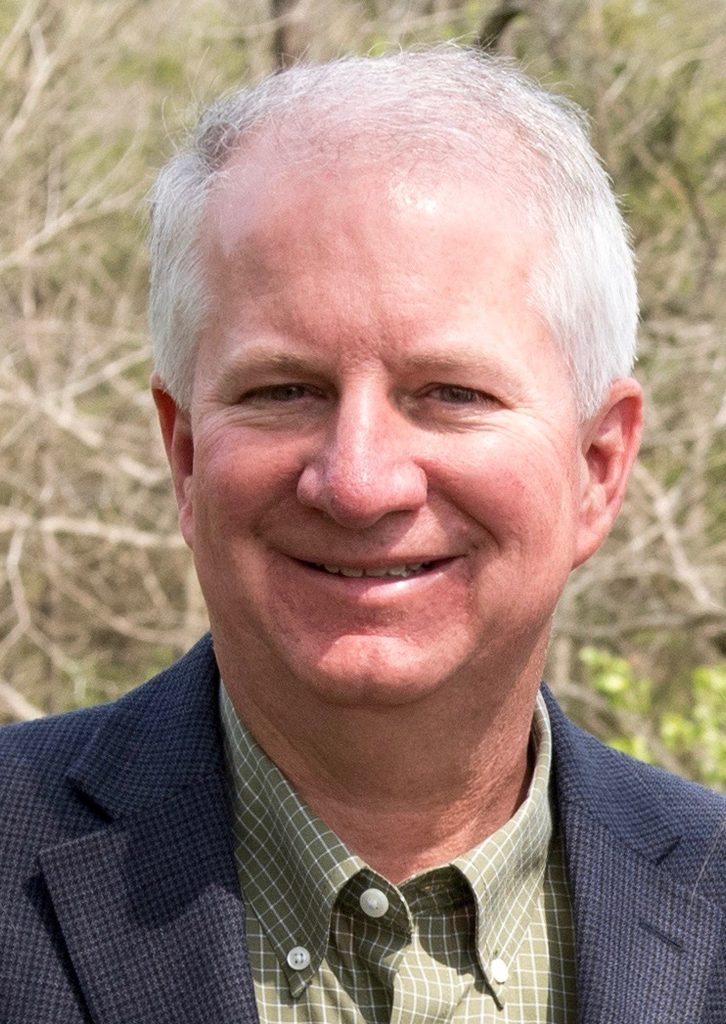
Pumpkins, Plants & Healthy Soil: Digging into What Makes Plants Thrive
This presentation will tie into the Halloween theme with a discussion of how healthy soils are important for growing healthy pumpkins and all kinds of other plants, including the many food plants we eat. Use of cover crops such as crimson clover and rye are one important way farmers are working to improve the health of soil. Did you know that a teaspoon of healthy soil can have more soil microbes than there are people on Planet Earth? Come grow your knowledge on plants and soils!
About the Speaker
Dr. Rob Myers is Director of the MU Center for Regenerative Agriculture and a Professor in the Plant Science and Technology Division. His professional expertise encompasses sustainable and regenerative agriculture, soil health, conservation and cropping system diversification. Dr. Myers grew up on a family grain farm in Illinois that he still helps manage. He obtained his M.S. and Ph.D. degrees in agronomy from the University of Minnesota. He was named Missouri Conservationist of the Year in 2018, honored with the national Agronomic Education and Extension Award from the American Society of Agronomy in 2022, and in 2026 was recognized by the Soil and Water Conservation Society for his career conservation efforts with their most prestigious award, the Hugh Hammond Bennett Award.
December 5th
Because Chat Said So: Knowledge, Freedom, and Citizenship in the AI Era
Massively popular generated-AI tools are changing what we know and how we know. They are often powerful tools for gaining knowledge, and in many other instances, technologies that can be used to manipulate and misinform people. Fake images, video, and audio are becoming popular tools to either mislead or simply to make political points. This presentation will explore what we know and how we know in the AI era.
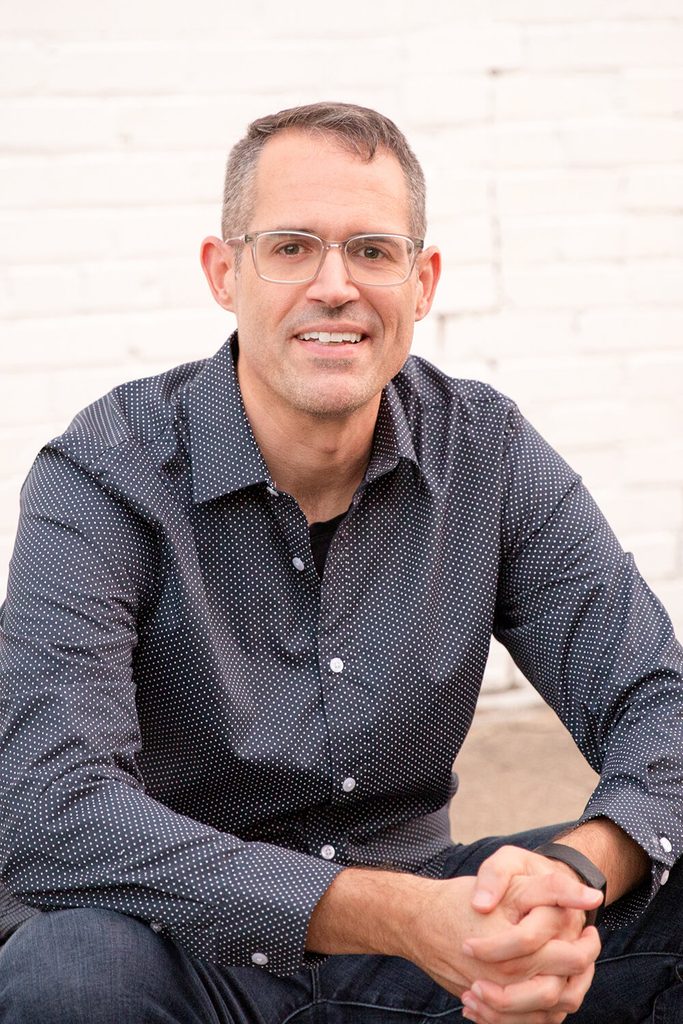
Dr. Jared Schroeder
Lee Hills Chair in Free-Press Studies; Donald W. Reynolds Distinguished Faculty Fellow Missouri School of Journalism
About the Speaker
Jared Schroeder is the Lee Hills Endowed Chair in Free-Press Studies and a professor at the Missouri School of Journalism. His research and teaching specialize in First Amendment theory and law, with particular concern for the past, present, and future of press freedoms in democratic society.
Schroeder’s research includes both historical contexts and emerging technologies, such as artificial intelligence, deepfakes, and social media. He has authored four books, including The Structure of Ideas: Mapping a New Theory of Free Expression in the AI Era, published in 2024, and The Penumbra Problem, which will be published in 2027.
An advocate for free-press rights, Schroeder regularly writes, testifies, and speaks throughout the U.S. about the crucial role a free press plays in democracy. He has written dozens of articles for popular and trade publications, such as USA Today, Columbia Journalism Review, Niemen Reports, Slate, The Hill, and major newspapers.