Published on

2026 FIFA World Cup wastewater presents chance for Mizzou professor to track traveling pathogens
By Sophie Rentschler | MU Division of Research
The structure of the 2026 FIFA World Cup is an epidemiologist’s dream. Five million visitors from across the world will amass to watch or play in the soccer competition, and Marc Johnson sees this clustering of people as pathogen data collection opportunity.
Kicking off on June 11, 2026, the World Cup is slated to welcome upwards of 100,000 international visitors to the Kansas City area alone, with 5 million visitors making it to one or more of the competition’s host countries: Mexico, Canada and the U.S.
Teams play at least three matches, each at a different location. Johnson, a University of Missouri professor of microbiology and immunology and Bond Life Sciences Center principal investigator, will track traveling pathogens at the soccer competitions through wastewater.
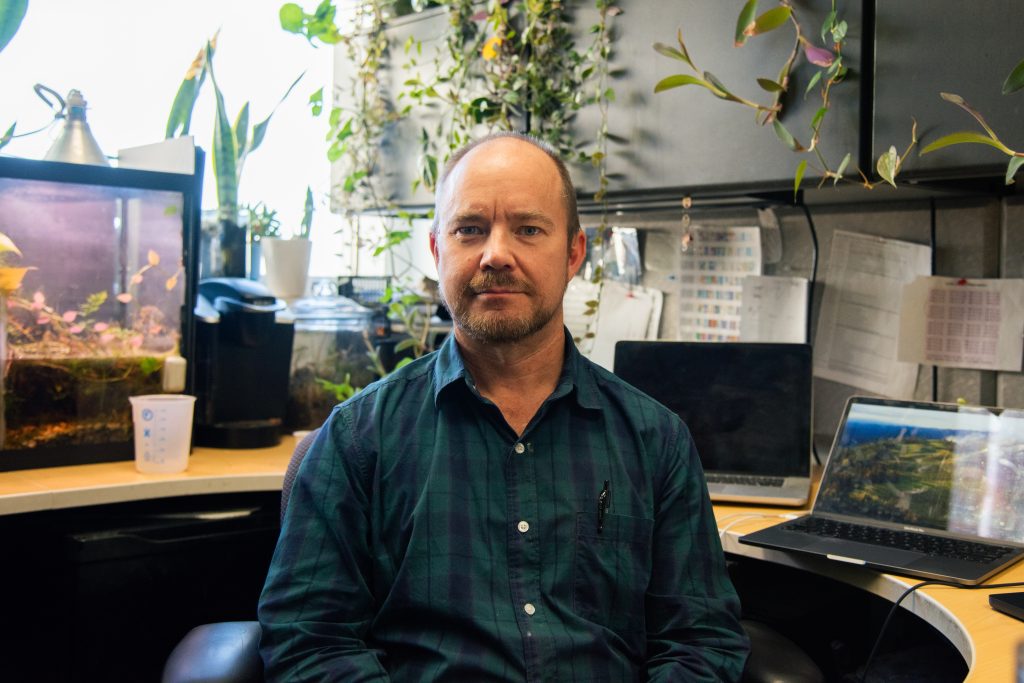
“We’re able to see what pathogens are arriving to World Cup sites because herds of people are then moving to another stadium,” Johnson said. “We can detect the pathogens in human waste as well as the pathogens carried by the vertebrates we eat.”
The molecular virologist has established collaborations with a handful of wastewater treatment plants and health departments at World Cup host sites including Los Angeles, Kansas City and Boston. Johnson added, in Kansas City, he knew public health departments were thinking about the spread of disease ahead of the game.
“We’re able to give health departments a heads up,” Johnson said about pathogens unveiled in studying wastewater. “There’s a lot of utility in this kind of surveillance.”
Considering that the wastewater tracking initiative for the World Cup casts a wide net of sites, Johnson said more data points can inform public health organizations for a potential nationwide outbreak.
Johnson will gather wastewater samples from treatment plants across World Cup sites, designating samples in small cups where big, viral fragments sink to the bottom. He will then collect the nucleic acid from the viral parts of the sample and begin to sequencing it, gathering information about the pathogens in the sample. Johnson said only .01% of the sequence are actually human pathogens.
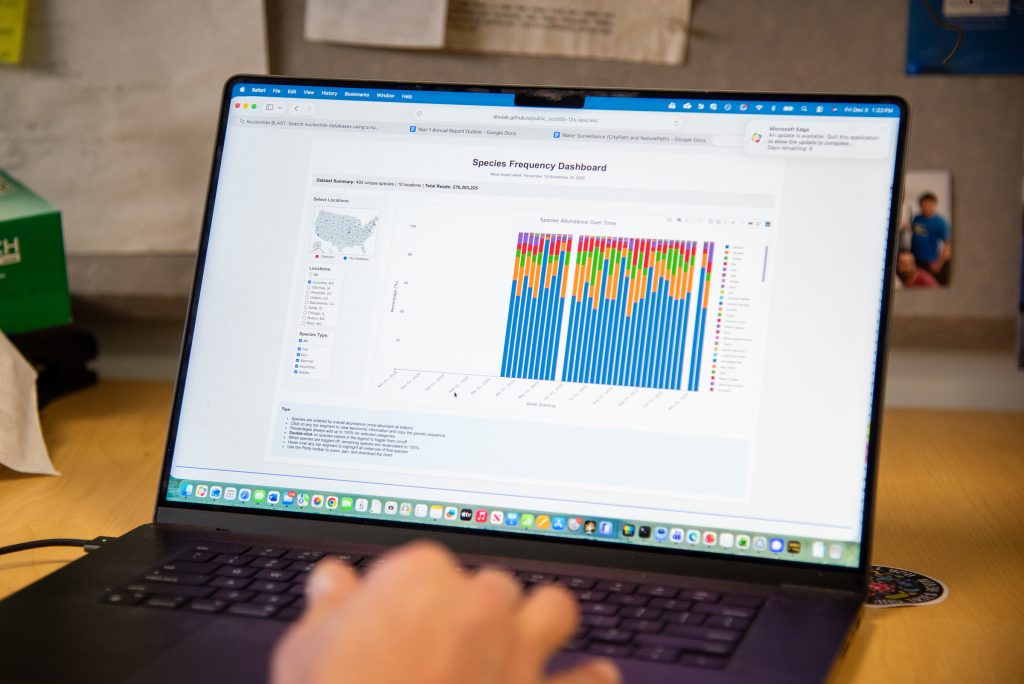
For detailed analysis, Johnson will ship off the results from sequencing to his collaborators at University of Wisconsin-Madison who specialize in informatic analysis. This examination will contrast and compare pathogens present across all World Cup matches.
In tracking where these pathogens are coming from, Johnson added this study is able to inform international health organizations of what pathogens its citizens carry.
“It really offends me that we don’t know the viruses in our own bodies,” Johnson said.
Rain runoff will also enter into the mix since wastewater at some sites includes stormwater.
“Stormwater makes studying wastewater way more interesting,” Johnson said. “It’s oftentimes surprising because many viruses found in storm water are unknown.”
This use of wastewater to garner information about diseases is not new for Johnson. During the COVID-19 pandemic, his team used the same approach to track disease spread and viral evolution through sampling in Columbia and other cities.
“Epidemiologically, it’s so obvious to study wastewater,” Johnson said. “We can find pathogens in wastewater that health departments don’t know what to do with.”
Johnson does not know what this World Cup wastewater testing could uncover but is bracing for unexpected results. He and his collaborators “will be ready” for whatever results this study will yield.